Textured vegetable protein, commonly known as TVP, is often treated as a commodity ingredient in food manufacturing.
It should not be.
While many procurement teams focus primarily on price per pound, differences in protein source, extrusion process, particle size, hydration ratio, and functional performance can significantly impact finished product quality and total cost performance.
For food manufacturers producing plant-based meats, ready meals, or protein-enhanced products, understanding these differences is critical.
At John R. White, ingredient sourcing decisions are evaluated through both formulation science and supply chain execution.
Learn more about our ingredient sourcing capabilities.
What Is Textured Vegetable Protein
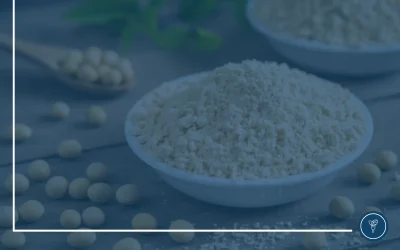
TVP is typically produced through extrusion of defatted soy flour or soy protein concentrate. The extrusion process creates a fibrous structure that mimics meat texture when hydrated.
TVP is widely used in:
- Plant-based meat alternatives
- Ground meat extenders
- Chili and taco blends
- Prepared frozen meals
- School nutrition programs
- Shelf-stable protein applications
However, the base material, processing conditions, and post-extrusion handling all influence performance.
Key Differences Between TVP Products
Protein Source
Textured vegetable protein (TVP) can be produced from several starting materials, including:
- Soy flour
- Soy protein concentrate
- Blended plant proteins, such as pea or wheat
The choice of starting material directly impacts protein content, functionality, cost efficiency, and labeling claims.
In general:
- Soy protein concentrate delivers higher protein content than soy flour and is commonly used when stronger nutritional claims or higher protein density are required.
- Soy flour is more cost-effective but contains lower protein levels and may include more carbohydrates.
- Blended plant proteins can vary widely depending on the formulation and are often used to achieve specific texture or labeling goals.
Understanding these differences helps food manufacturers select the right TVP ingredient based on target protein levels, product performance, and cost considerations.
Particle Size and Shape
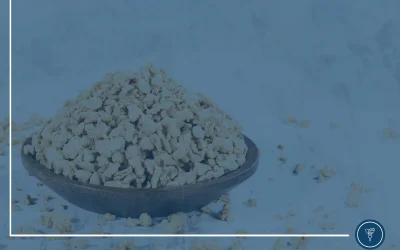
TVP is available in various formats:
- Granules
- Chunks
- Flakes
- Strips
Particle size impacts:
- Hydration time
- Texture development
- Mouthfeel
- Cooking behavior
- Visual appeal
Selecting the wrong size can lead to inconsistent texture or yield loss.
Hydration Ratio
Not all TVP absorbs water at the same rate.
Hydration ratios influence:
- Final weight yield
- Cook time
- Texture stability
- Finished product moisture
Inconsistent hydration performance can affect batch consistency and margin.
Is Your TVP Delivering the Same Texture and Yield in Every Batch?
Differences in particle size, hydration behavior, and processing performance can create variability that becomes more costly at production scale.
Tell Us What Is Not Performing
Flavor Profile
Some TVP products have stronger residual soy notes depending on processing. This can require additional masking flavors or reformulation.
Technical evaluation is essential before large-scale adoption, ensuring optimal ingredient combinations for the desired sensory experience.
Cost Per Pound vs Cost In Use
TVP is often selected based on unit cost.
However, true performance evaluation requires understanding cost in use.
Factors that impact total cost include:
- Hydration efficiency
- Yield performance
- Processing loss
- Freight density
- Packaging configuration
- Vendor reliability
A lower-cost TVP may result in higher overall production costs if hydration is inconsistent or if processing requires additional adjustments.
At John R. White, we evaluate ingredient decisions through structured Commercial Value Assessments to ensure sourcing supports margin protection and operational efficiency.
Explore Our Strategic Sourcing Approach Here.
Could a Lower TVP Price Be Hiding a Higher Production Cost?
Hydration efficiency, yield, processing loss, freight, and added formulation adjustments can all change the true cost of the ingredient.
Do You Want to Know Where TVP is Costing You More?
Supply Chain Considerations in TVP Sourcing
TVP sourcing involves:
- Soybean market volatility
- Processing capacity
- Extrusion capabilities
- Import and domestic supplier balance
- Freight costs
- Vendor compliance
Treating TVP as a commodity purchase can expose manufacturers to supply disruption or inconsistent quality. Vendor alignment and execution-backed sourcing strategies reduce risk and improve production continuity.
Could TVP Variability or Supply Disruption Put Your Next Run at Risk?
Inconsistent quality, limited extrusion capacity, freight pressure, or unreliable availability can quickly become a production issue.
What is Your Biggest Supply Challenge?
Choosing the Right TVP Partner
Selecting the right textured vegetable protein supplier requires more than comparing spec sheets.
Food manufacturers should evaluate:
- Consistency of supply
- Technical validation support
- Distribution infrastructure
- Inventory visibility
- Rebate alignment
- Long-term vendor relationships
What Is Your TVP Not Doing Consistently?
The issue may be texture, hydration, yield, flavor, protein targets, processing compatibility, specifications, or supply reliability. Share what your team is seeing, and JRW can help evaluate the challenge from both a formulation and sourcing perspective.
What is Your Biggest TVP Challenge?