Soy protein remains one of the most versatile and widely used plant-based protein ingredients in food manufacturing. From meat alternatives and protein beverages to baked goods and snack applications, soy-based ingredients play a critical role in formulation performance, nutrition claims, and cost management.
However, not all soy proteins are the same.
Understanding the differences between soy protein isolate, soy protein concentrate, and textured vegetable protein is essential for procurement teams, R&D departments, and operations managers seeking to balance performance, cost, and supply chain reliability.
At John R. White, ingredient sourcing decisions are supported by technical validation and real-world manufacturing insight.
Learn how our Phosphate Training created $1.4 million in product savings for a poultry manufacturer.
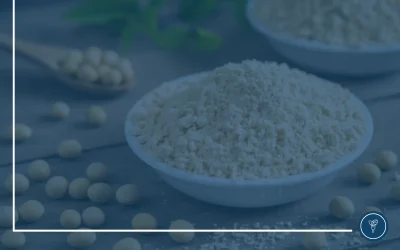
What Is Soy Protein Isolate
Soy protein isolate is the most refined form of soy protein. It typically contains 90 percent or more protein on a dry basis.
During processing, most of the fat and carbohydrates are removed, leaving a highly concentrated protein ingredient.
Common applications include:
- Protein beverages
- Nutritional powders
- High-protein snack bars
- Meat analogues requiring high protein density
- Dairy alternatives
Benefits of soy protein isolate:
- High protein content
- Neutral flavor profile
- Excellent emulsification properties
- Strong functionality in beverage systems
From a cost perspective, isolates generally command a higher price per pound than concentrates or flour. However, in certain formulations, improved yield or protein claim efficiency can reduce cost in use.
What Is Soy Protein Concentrate
Soy protein concentrate typically contains around 65 to 70 percent protein.
Unlike isolates, concentrates retain more of the soybean’s natural components, including some carbohydrates and fiber.
Common applications include:
- Processed meats
- Plant-based meat alternatives
- Bakery applications
- Cereal products
- Protein-fortified snacks
Benefits of soy protein concentrate:
- Lower cost compared to isolate
- Good water-binding properties
- Improved texture in structured products
- Strong performance in comminuted meat systems
For many food manufacturers, soy protein concentrate offers a balance between functionality and cost efficiency. In some systems, it delivers sufficient performance without the premium price of isolate.
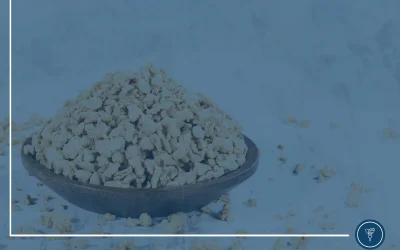
What Is Textured Vegetable Protein (TVP)
Textured Vegetable Protein, often referred to as TVP, is typically produced from soy flour or soy protein concentrate through extrusion. TVP typically contains around 50% protein on a dry basis.
This process creates a fibrous, meat-like texture, making TVP a key ingredient in plant-based protein products.
Common applications include:
- Meat extenders
- Ground beef alternatives
- Chili and taco fillings
- Ready-to-eat meals
- School nutrition programs
Benefits of TVP:
- Cost-effective protein source
- Strong texture and chew
- Extended shelf stability
- High versatility in dry applications
TVP is frequently used to control formulation costs while maintaining texture and protein content. In many large-scale food manufacturing environments, TVP plays a significant role in both cost control and supply chain planning.
Key Differences in Performance and Cost
When comparing soy protein isolate vs concentrate vs textured vegetable protein, the decision should not be based solely on price per pound.
Food manufacturers must evaluate:
- Protein content requirements
- Labeling claims
- Texture and mouthfeel expectations
- Water binding and yield performance
- Supply availability and vendor reliability
- Freight and storage considerations
In some cases, a higher-cost isolate may improve protein density and reduce total inclusion rates. In other cases, a concentrate or TVP may deliver better total cost performance within the finished product. If flavor is a concern then using an Isolate or Concentrate may be better suited to your application.
Is the Soy Protein in Your Formula the Right Fit?
The wrong balance of protein density, flavor, texture, water binding, or inclusion rate can create unnecessary cost or compromise finished-product performance.
Are You Having a Problem with Your Soy Protein?
At John R. White, our Technical Services Team evaluates these tradeoffs through formulation validation and commercial value assessment.
Learn more about our Technical Services capabilities.
Could a Lower-Priced Soy Protein Be Raising Your Total Cost?
Inclusion rate, yield, processing loss, flavor correction, and protein-claim efficiency can change the real economics of an ingredient.
Can We Show You the Hidden Costs of Cheaper Protein?
Supply Chain Considerations in Soy Protein Sourcing
Soy protein sourcing requires attention to:
- Global soybean markets
- Processing capacity
- Freight volatility
- Vendor consistency
- Specification compliance
- Sustainability requirements
Strategic sourcing in this category is not just about securing volume. It requires alignment between procurement, formulation science, and operational execution.
Our approach integrates ingredient sourcing with vendor alignment and distribution support to reduce risk and improve supply continuity.
Could Soy Protein Availability or Specification Variability Disrupt Production?
Processing capacity, vendor consistency, freight volatility, and specification compliance can become production risks long before an ingredient is unavailable.
What is Your Biggest Supply Risk?
Choosing the Right Soy Protein for Your Application
There is no universal answer to whether isolate, concentrate, or TVP is best.
The right solution depends on:
- Finished product goals
- Nutritional positioning
- Margin targets
- Production capabilities
- Long-term sourcing stability
At John R. White, we work directly with food manufacturers to evaluate soy protein ingredients based on performance, cost in use, and supply chain resilience.
By combining technical expertise with disciplined vendor relationships, we help customers move beyond commodity purchasing toward structured, performance-driven sourcing strategies.
Which Soy Protein Decision Is Holding Up Your Next Step?
The challenge may be protein targets, texture, flavor, yield, cost in use, labeling, processing compatibility, or long-term supply. Share what your team is evaluating, and JRW can help look at the decision from both a technical and sourcing perspective.
What is Your Biggest Soy Protein Challenge?